Advice for Parents · 12 August 2026
Back to school in the canton of Vaud: how to help your child start the year well
Sleep, organisation, light revision: the habits that truly matter can be put in place within a week. A practical guide for parents, from 5P to the maturité.
 By The SOS teaching team6 min readReviewed by the teaching team
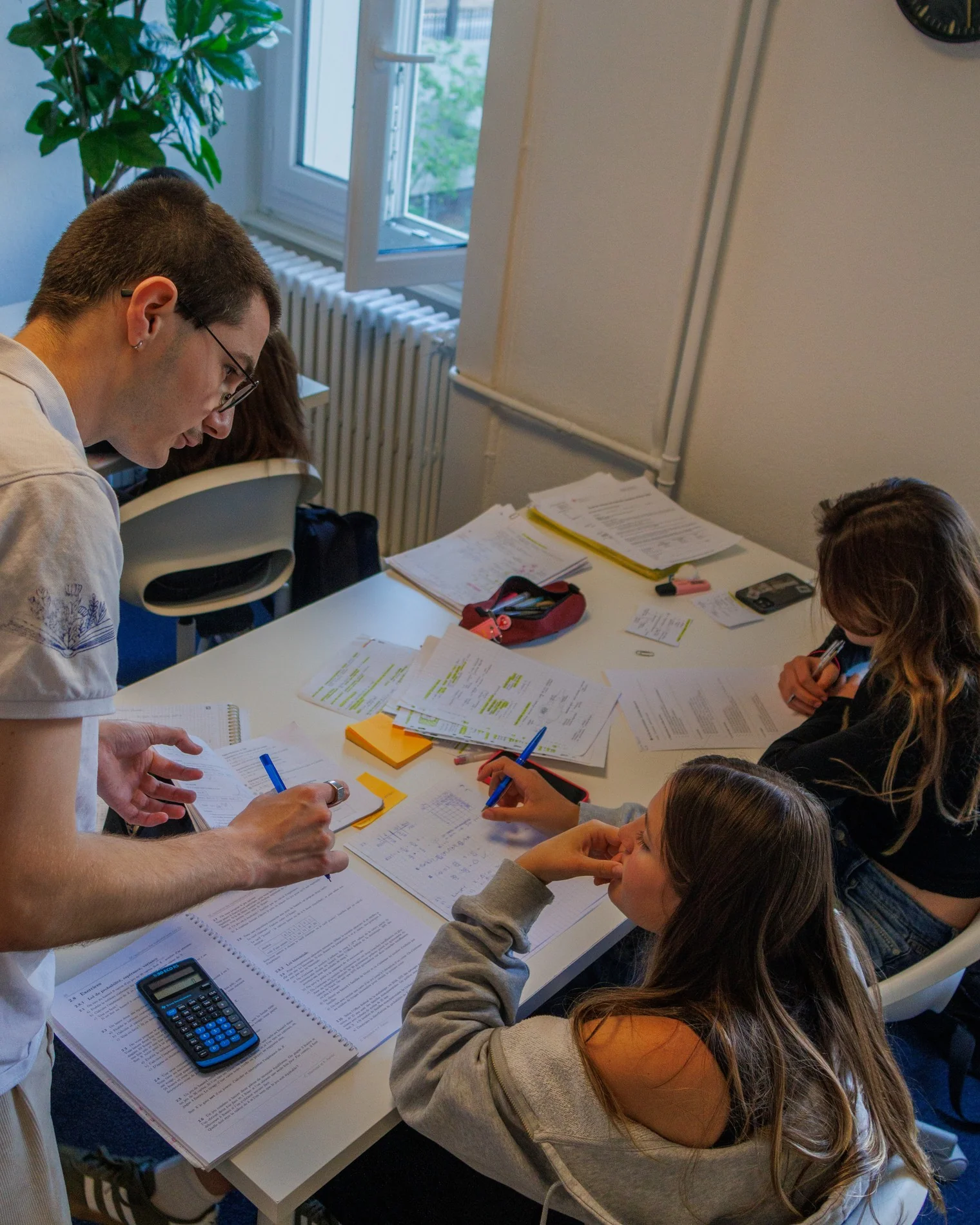
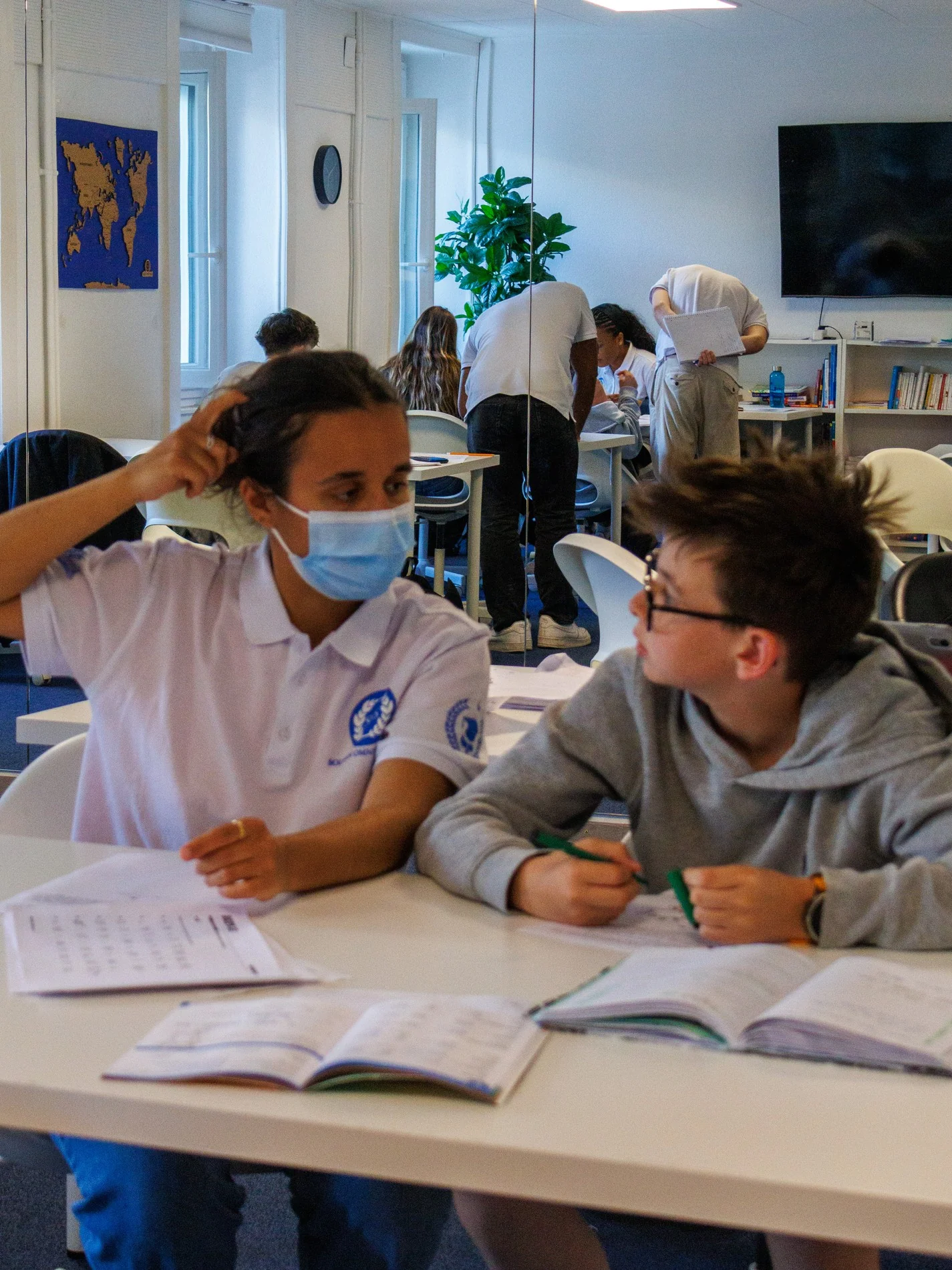
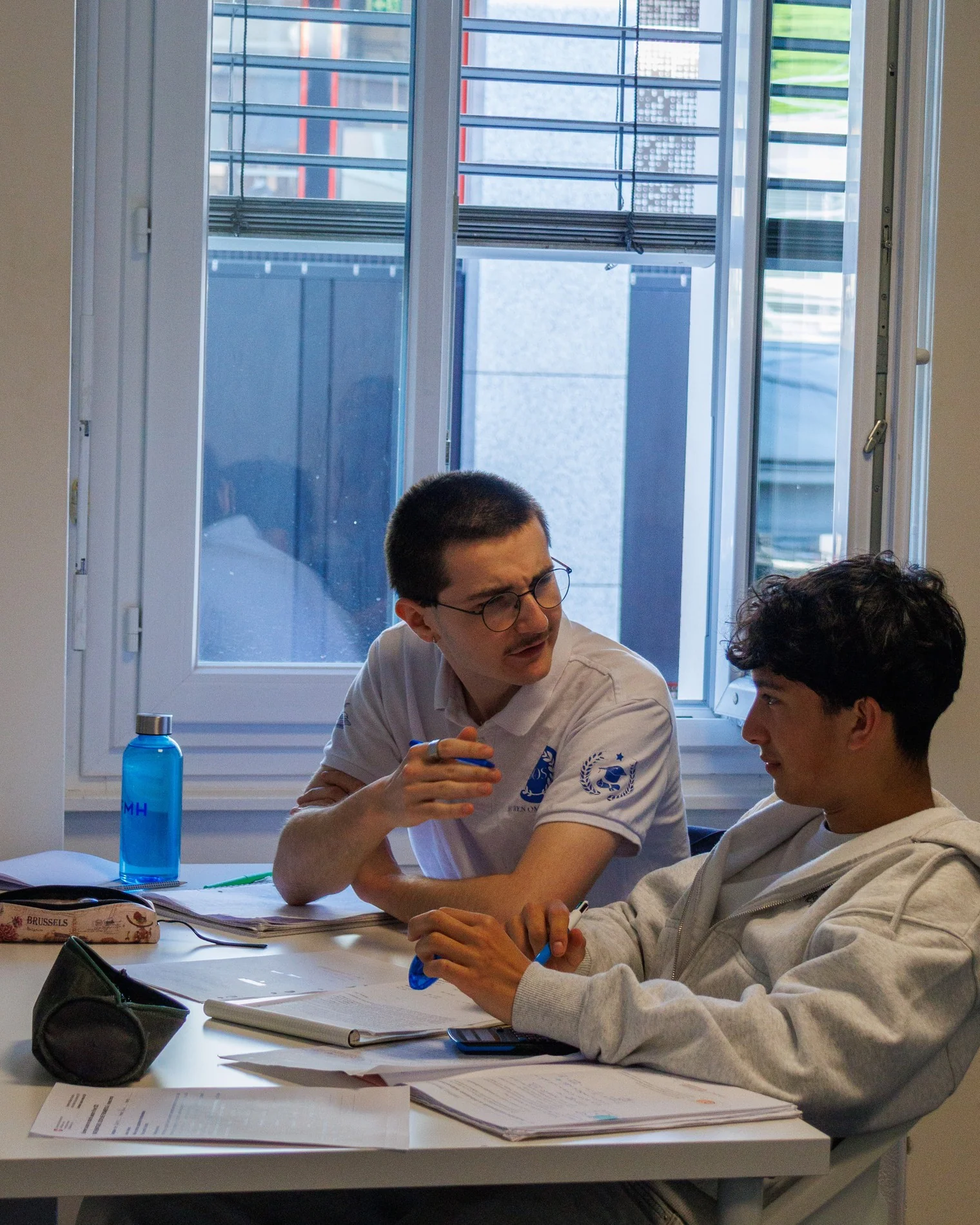
At an SOS centre on the Riviera: getting back to a regular rhythm before day one remains the single most effective habit. · Photo : Soutien-Omni-Scolaire
In a few days, pupils across the canton of Vaud head back to school. Between supplies to buy and schedules that change, one question comes up again and again among parents, in Lausanne as on the Riviera: how can I help my child get off to a good start?
The good news: the habits that make a real difference are simple, few in number, and can be put in place within a week. Here are the ones that truly count.
Sleep first: the lever everyone overlooks
Over the summer, bedtime drifts later, especially for teenagers. Nothing wrong with that in itself. The problem appears when the alarm rings on the first Monday and your child is still living on holiday time: tiredness, irritability and poor concentration during the very week when teachers lay the foundations for the year.
The fix fits in one sentence: move bedtime and wake-up earlier in steps of fifteen to thirty minutes over the last days of the holidays. A child who gets up at school time two or three days before the first day starts the year in far better shape. And in the evening, keep the phone away: screen light delays sleep, and that is not just a parents’ tale.
A workspace ready before the first homework
There is no need to wait for homework to pile up. A tidy, well-lit desk away from the television sounds trivial. It is, in practice, what separates smooth evenings from endless negotiations.
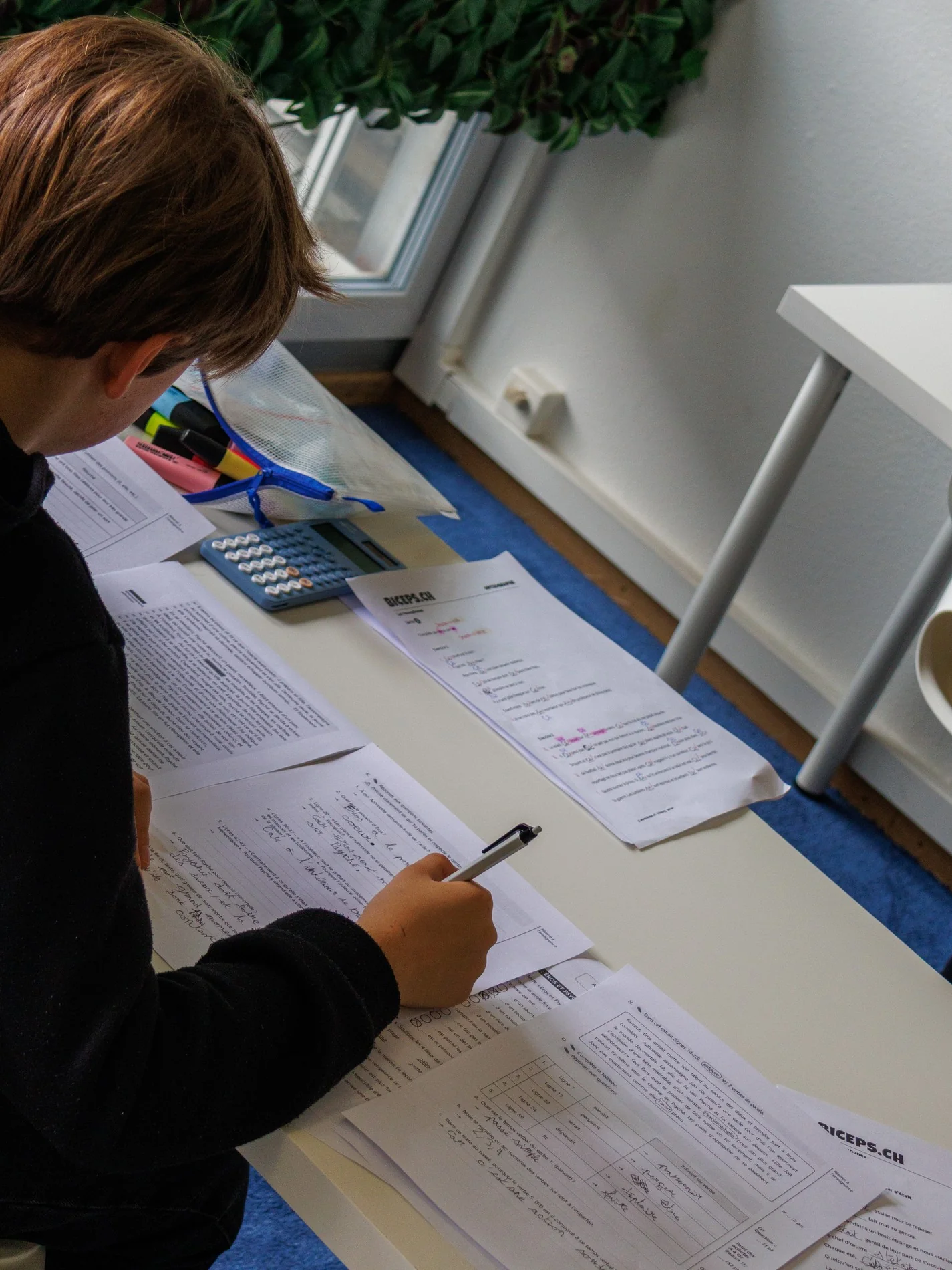
Use these last days to check the school material with your child rather than for them: diary, pencil case, binders, one folder per subject. A pupil who knows where every sheet goes finds their notes when tests come around. The one who piles everything into a bag is still searching the night before.
Reactivate knowledge gently, without turning August into exam season
Let us be clear: cramming in late August serves little purpose and spoils the end of the holidays. On the other hand, fifteen to twenty minutes a day of light reactivation makes a real difference: rereading last year’s notes, doing a few calculations, reading in French or German, reviewing vocabulary.
The goal is not to get ahead of the curriculum. It is to bring the brain gently back into school mode. And if the year ended with clearly identified gaps in one subject, these few days are the right moment to revisit them calmly, before the curriculum moves on again.
“It is always easier to maintain an average than to raise one.”
The SOS teaching team
Every year has its own stakes: 8P, raccordement, gymnase
In the Vaud school system, preparing for a new year in 5P is not the same as preparing for 8P or for the gymnase.
Entering 8P opens the orientation year, at the end of which pupils are streamed into the voie prégymnasiale (VP) or the voie générale (VG). Results count throughout the year, and the cantonal reference tests (ECR) punctuate the journey. The best service you can render a child entering 8P is to explain the stakes calmly at the start of the year, so that they work steadily instead of facing last-minute pressure in spring.
For a VG pupil aiming for a raccordement, or a VP pupil preparing to enter the gymnase, the first weeks set the tone. As for gymnase students, particularly those entering the final stretch towards the maturité, the start of the year is the right time to build a realistic work plan and identify early the subjects that will demand the most effort.
Key takeaways
- 1Get back to a school sleep schedule four to five days before day one, in small steps.
- 2Prepare the workspace and school material with your child, one folder per subject.
- 3Reactivate knowledge fifteen to twenty minutes a day, without cramming.
- 4In 8P, calmly explain the stakes of the VP or VG orientation from the very start.
- 5Address the gaps identified in June as early as September: they do not fix themselves.
Concrete goals rather than good resolutions
"This year I will really knuckle down": a resolution that rarely survives September. What lasts are precise commitments: opening the diary every evening, starting homework at a fixed time, preparing each test over several days, raising a hand when something is not understood.
The parents’ role, especially at secondary level, is not to check every piece of homework. It is to create the conditions that make work possible: a stable schedule, a calm setting, and a sincere interest in what happens at school, without turning every dinner into an interrogation.
What if June’s difficulties are still there?
Gaps do not disappear over the summer: they wait. Because each year’s curriculum builds on the previous one, in mathematics and German in particular, a difficulty ignored in September weighs twice as much by January.
The first reflex remains talking to the teacher, who knows the curriculum and can say precisely what needs consolidating. Some schools offer support sessions. And when more individual help is warranted, it is far better to start at the beginning of the year than in a rush before the tests: the work then happens over time, without pressure. Our centres in Vevey, Lausanne and Montreux support pupils across Vaud all year long, and the first conversation carries no commitment.
The official dates of the school year and holidays are published every year by the Canton of Vaud on vd.ch (Direction générale de l’enseignement obligatoire).
How we prepare the start of the year with families
At Soutien-Omni-Scolaire, the school year starts with a free assessment answering one question: what is genuinely still secure from last year? It is not a general level test, it is a search for the first missing concept, the one everything else will be stacked on.
The student then works with a teacher who specialises in their subject, not a generalist covering everything. We cover every branch: maths, French, German, English, sciences, economics and accounting, from primary school to the maturité. And you receive a written report after every session, saying what was covered, what is secure and what still needs work.
Our three centres in Vevey, Lausanne and Montreux take students after school; home lessons cover the rest of the canton and online lessons the whole of Switzerland. A start of year prepared in September costs a few hours; the same gap addressed in February costs ten times more.
Going further
What actually changes
A specialist for each subject
Not a generalist covering everything: a teacher whose discipline it is, chosen after the assessment.
Every branch covered
Maths, French, German, English, sciences, economics and accounting, from primary school to the maturité.
Progress measured, not assumed
Every session is measured against the real Vaud thresholds: promotion points, levels, ECR, certificate.
A written report after every session
You know what was covered, what is secure and what still needs work. Without having to ask.
Soutien-Omni-Scolaire
Difficulties that persist?
A teacher who specialises in their subject, across every branch: maths, French, German, English, sciences, economics and accounting. From primary school to gymnasium, in centre, at home or online.
First conversation, no commitment
Parents' frequently asked questions
When should we get back to a school sleep schedule?
Ideally four to five days before the first day, moving bedtime and wake-up earlier in small steps of fifteen to thirty minutes. Even two days already reduce first-week fatigue.
Should my child revise during the last weeks of the holidays?
Not in the sense of intensive revision. Short, regular reactivation of fifteen to twenty minutes a day is enough for most pupils. The exception: gaps identified at the end of last year, which deserve targeted review.
My child is entering 8P in the canton of Vaud: what should I know?
The 8P year leads to the orientation into the voie prégymnasiale (VP) or the voie générale (VG). The year’s results and the cantonal reference tests (ECR) play a role in that process. Clear information at the start of the year and steady work beat a third-term sprint.
When should we consider tutoring?
As soon as difficulties persist despite homework routines and school support, and preferably early in the year: the work then happens over time, without exam pressure. At SOS, the first conversation carries no commitment.
The SOS teaching team
Tutoring · Canton of Vaud
A teaching team specialised in the Vaud school system: ECR preparation, VP and VG orientation, raccordement, gymnase entry and maturité. Centres in Vevey, Lausanne and Montreux.
Meet the SOS team →